Textile Reeds

What We Do

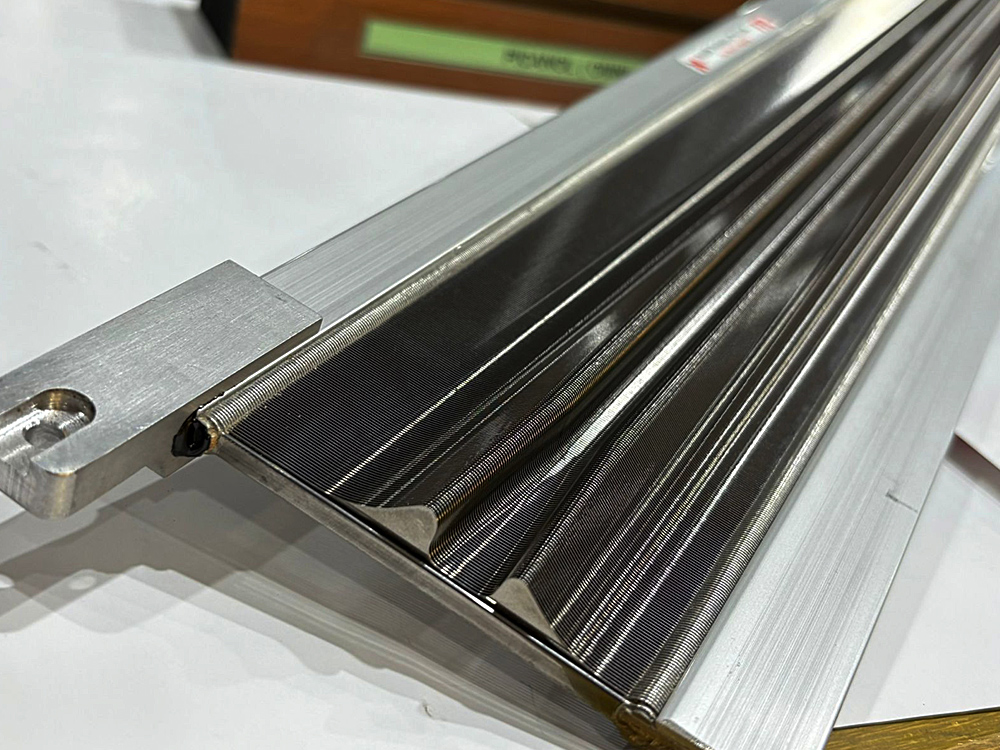
Profile Air Jet Reeds

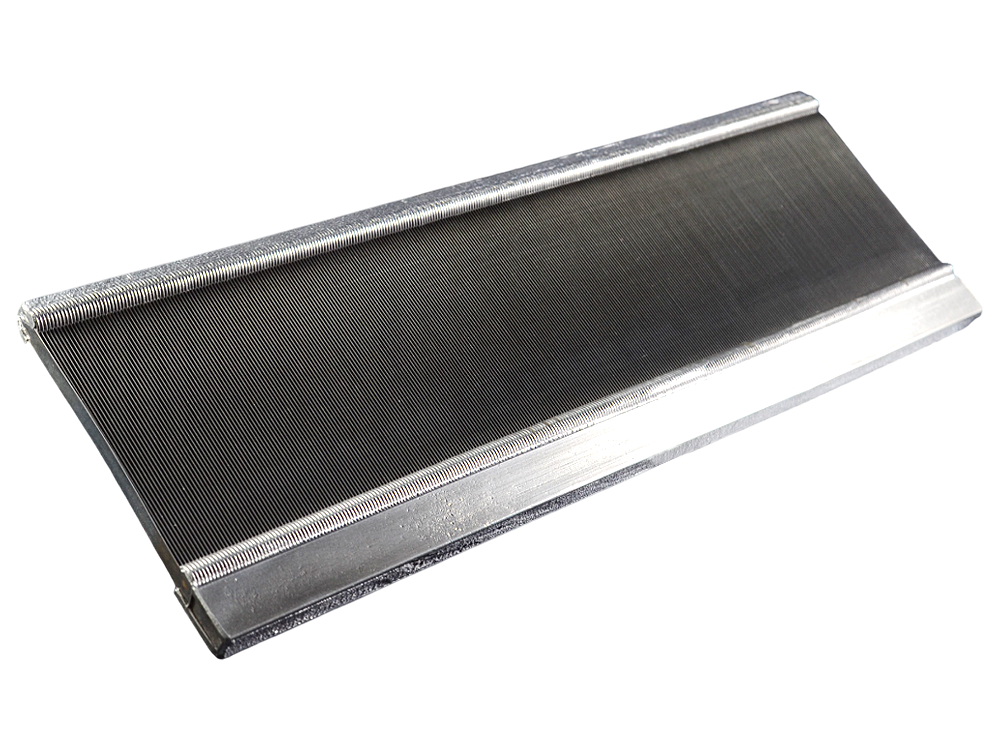
We offer a wide range of Flat reeds with 4mm and 6mm stainless steel (SS) wire for Rapier and Projectile weaving machines. On request, options for different densities in selvedge on both sides of the reed, are also available.

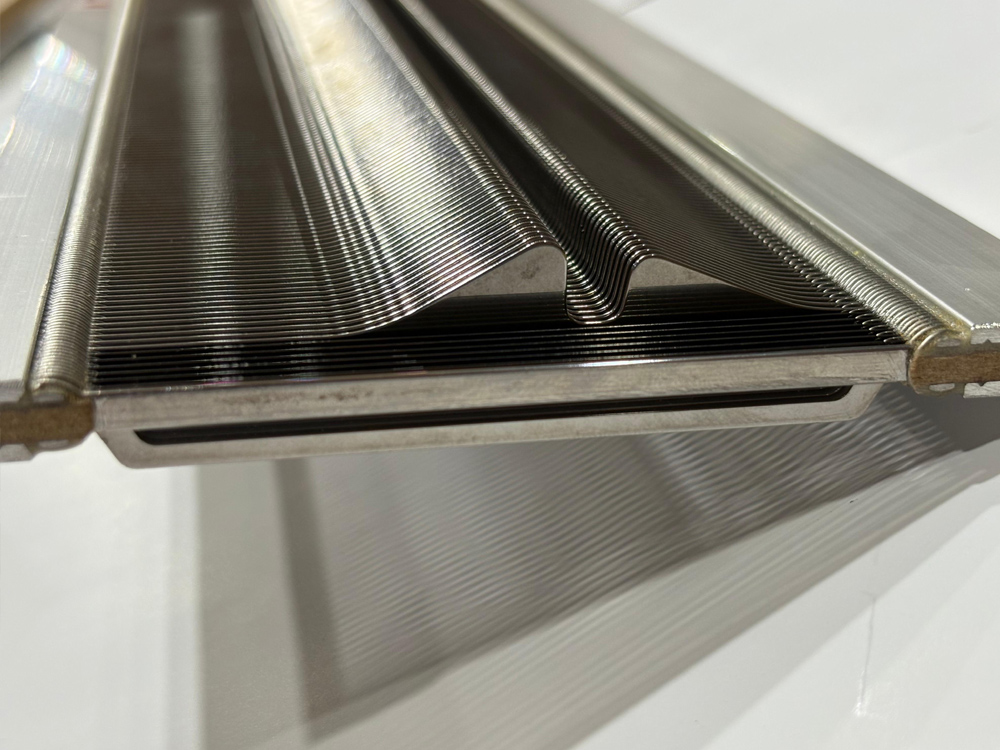
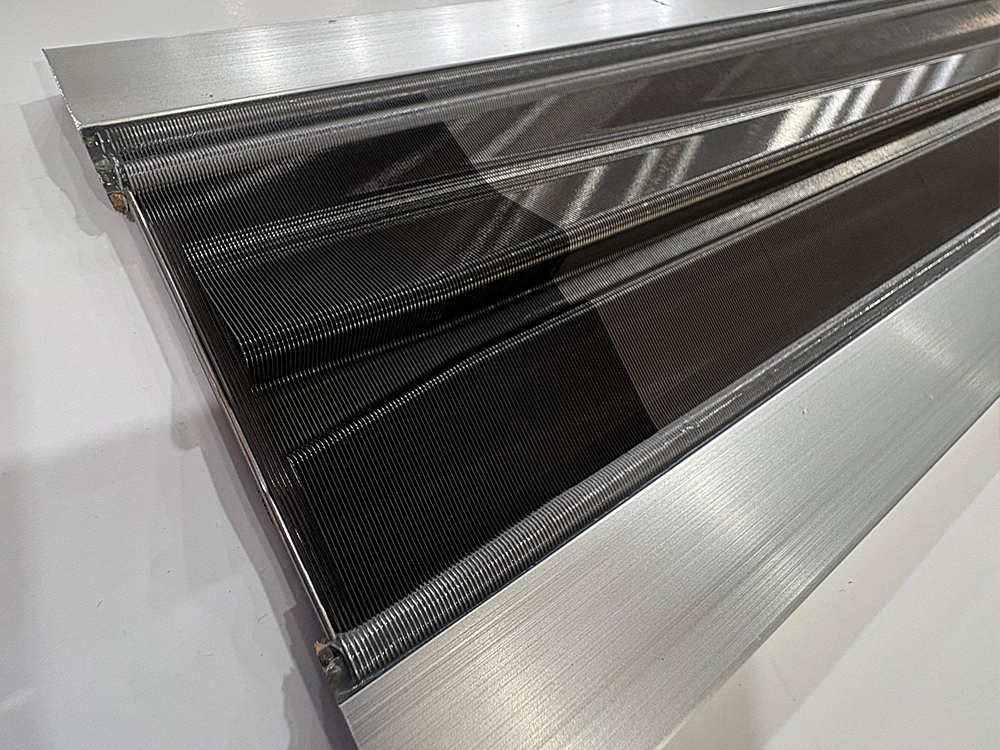
Tunnel / Profile Reeds

Successfully producing Airjet reeds for all brands of weaving machines like Picanol, Toyota, Tsudakoma, ITEMA, Dornier etc.Profile Reeds are produced with profile dents, spacer wire and different profiles.
• DLC coating (Diamond Like Carbon) to prevent premature abrasion when fabric contraction is high
• Conical entries for 4 to 8 colors, allowing better weft insertion and uncrossing of warp yarns.

Double Terry Reeds

Double Terry Reeds are a key offering in our production line, widely used by manufacturers of towels, woolen fabrics, upholstery, and other specialty textiles. These reeds feature double dents (back dents), allowing for enhanced separation and control of warp threads, ideal for complex or high density weave structures. For added versatility, a conical entrance option is also available to support smoother warp insertion and improved fabric quality.

Refurbishment

(Reed Reconditioning Services)

Textile Technics began offering reed reconditioning services in 2011. As of today, we have successfully reconditioned nearly 10,000 reeds, serving over 120 satisfied customers, and the service continues to grow.
Reed reconditioning is a cost-effective process that involves restoring worn or damaged Airjet reeds into usable condition. While the primary benefit lies in the significant cost savings compared to purchasing new reeds, it’s important to understand that a reconditioned reed cannot match the performance or efficiency of a brand-new one, as most of the original profile dents are reused.
The reconditioning process must be mutually agreed upon with the customer, as it carries certain technical limitations and potential risks. Despite this, it offers added flexibility, allowing customers to adjust the dent count of their existing reed within a specific range.
For instance, a reed with 35 dpi can be modified anywhere between 35.1 to 38 or down to 33 to 34.9, depending on operational requirements.